The Loving Handover: Talking Baby Safety With Grandparents Without the Fallout

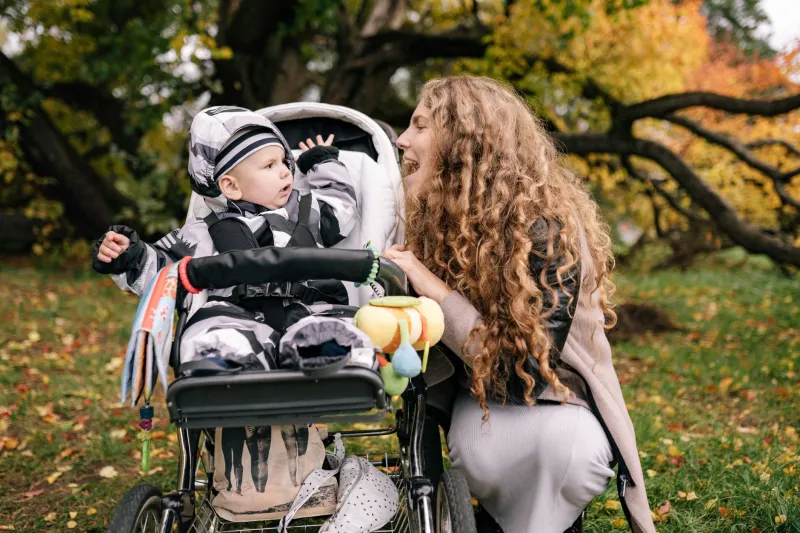
Photo by Photo by Age Cymru on Unsplash on Unsplash
There’s a particular kind of silence that can fill a room when a grandparent reaches for a blanket, a kiss or an old car seat and you know, gently but firmly, that the guidance has changed. Nobody is being difficult. They’re being loving in the way they learned. You’re being protective in the way you’ve been taught. The tricky bit is helping those two things meet without someone leaving in a huff.
This isn’t about proving who knows best. It’s about making the handover between generations feel less like a test and more like teamwork. In the UK, we’re lucky to have clear NHS and Lullaby Trust guidance, but that doesn’t mean quoting it at the tea table will land well. A bit of warmth, a few calm scripts and a very short list of non-negotiables can do more than a lecture.
Start with the love, not the correction
Grandparents often hear ‘the rules have changed’ as ‘you got it wrong’. Try leading with the relationship instead. ‘We’re so glad you’re here’ and ‘the baby is lucky to have you’ are not filler — they set the tone for everything that follows.
Pick a quiet moment, not the second they arrive with a suitcase and a casserole. A quick text before the visit can help: ‘Can’t wait to see you. We’ve got a few bits from the health visitor about sleep and feeding — nothing dramatic, just want us all on the same page.’ That gives them time to adjust without feeling ambushed.
Use ‘we’ rather than ‘you’. ‘We’ve been told to keep the cot clear’ sounds like a shared plan. ‘You can’t put that in there’ sounds like a telling-off. Same information, very different atmosphere.
Sleep: the place where old habits linger
Safe sleep is usually the biggest flashpoint. Many grandparents raised babies in the era of bumper pads, tucked-in blankets and letting a baby snooze on a sofa cushion. Current UK advice is plain: baby on their back, in their own clear sleep space, in the same room as you for the first six months. No pillows, duvets or soft toys in the cot. No sleeping on a sofa or armchair with a baby, even for a quick cuddle that turns into a nap.
A useful script: ‘Our midwife was really clear that the safest place for naps is the cot or Moses basket. If you want to do the cuddle and then I’ll pop them down, that works beautifully.’ This gives them a job — cuddles, songs, the cot transfer — without making them feel sidelined.
If they insist that ‘we all survived’, try acknowledging the history without reopening the debate: ‘I know it worked for you, and I’m glad it did. The advice has moved on, and we’re following it because it helps us feel calmer.’ Then move on. You don’t need to win the argument; you need a safe baby.
Smoke, vape and the invisible stuff
Smoking around a baby is a clear red line. So is vaping in the same room or car. Third-hand smoke — the residue on clothing, hair and soft furnishings — is also worth taking seriously. Ask visitors who smoke or vape to change their outer layer and wash their hands before holding the baby. A simple ‘Would you mind popping on a clean top? We’re being a bit careful about smoke around the baby’ explains the ask without turning it into a character judgment.
This one is easier if you set it up before the visit. Keep a clean hoodie or shirt by the door if you can. It turns a potential confrontation into a small practical step.
Car seats: the non-negotiable that saves lives
Car seat guidance is another area where grandparents may be working from memory. The basics are worth repeating calmly: the right seat for the child’s height and weight, fitted correctly, and no thick coats under the harness. A bulky winter coat can stop the straps sitting close enough to the body. Take the coat off, strap them in, then add a blanket over the top if needed.
If a grandparent is doing the nursery run, offer a practice run without an audience. ‘Let’s do a dummy installation together — it’s fiddly, and I’d rather we both feel confident.’ If they’re using their own car, check the seat fits and that they know the rules. In the UK, children usually need a car seat until they’re 12 years old or 135cm tall, whichever comes first. This is not the place for a second-hand seat with an unknown history or a bargain from a car boot sale.
Kisses, cold sores and caring hands
Most grandparents cannot wait to kiss a new baby, and that’s lovely. But a cold sore is a reason to pause. Neonatal herpes is rare, but it can be serious, so anyone with an active cold sore should avoid kissing a newborn and should wash their hands carefully. The same goes for coughs, colds, vomiting bugs and hand, foot and mouth disease.
Try: ‘We’re being extra careful about kisses on the face while they’re tiny. Hands and feet are fair game, and we’d love you to have a cuddle.’ It’s not a rejection of affection; it’s a redirect.
Feeding: follow the parents’ plan
Feeding can stir up strong opinions. Current UK advice is fairly clear: no honey before 12 months, no adding cereal to bottles, and no solids before around six months unless a health professional has advised otherwise. Cow’s milk as a main drink should wait until 12 months. Formula should be made exactly as the tin says — not watered down, not bulked up.
If a grandparent wants to help, give them a role that matters: sterilising, winding, recording feeds, making you a cup of tea. ‘We’re following the health visitor’s plan for feeding — could you be in charge of winding and the post-feed cuddle?’ Most people relax when they feel useful rather than overruled.
When to be firm
Some things are not compromise material: unsafe sleep, smoking or vaping around the baby, an incorrectly fitted car seat, kissing a newborn with an active cold sore, or feeding honey to a baby under one. You can be kind and still be clear. ‘I know it feels like fussing, but this one is a hard line for us. We’d rather you were annoyed with me than sorry.’
If a boundary is repeatedly ignored, shorten the visit or supervise more closely. You don’t have to make it a grand confrontation. A calm ‘let’s do this bit together’ can protect the baby and the relationship at the same time.
Keep the door open
Grandparents are not the enemy of modern advice. They are often desperate to help and a bit worried about getting it wrong. Leave room for questions, send a short article instead of a sermon, and thank them when they adapt. The aim isn’t a perfect family that never disagrees. It’s a baby who is safe, and a family that can keep talking.