Newborn Skin, Demystified: Cradle Cap, Milk Spots and the Spots That Need a Second Look
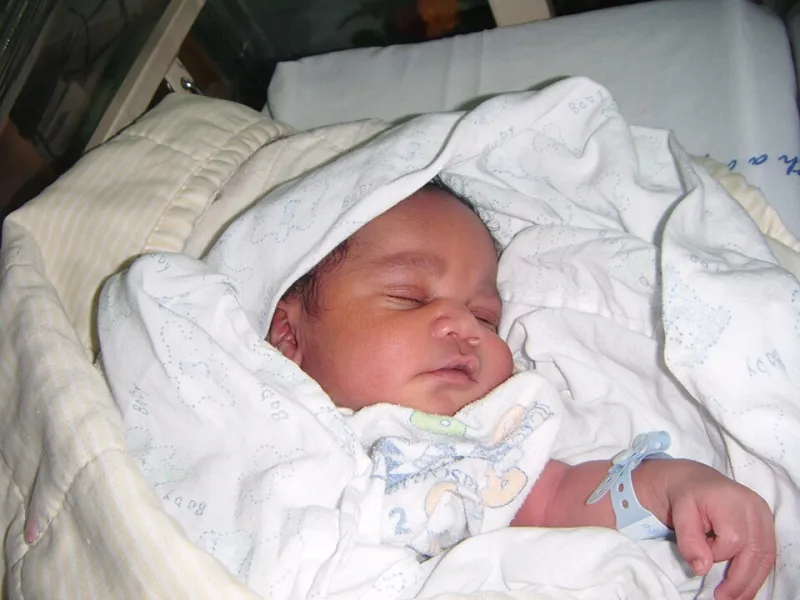
Photo: Realt0n12, CC BY-SA 4.0, via Wikimedia Commons
You bring home a baby who looks, frankly, a bit blotchy. Then the peeling starts. Then the tiny white bumps. Then a scaly patch on the scalp that seems to arrive overnight. It is completely normal to look at your newborn and wonder whether their skin has read the manual.
Most of the time, it hasn’t missed anything. Newborn skin is simply adapting to life outside the womb, and it often looks more dramatic than it feels. The trick is knowing which changes are ordinary and which ones need a second look.
First, the reassuring bit
Newborn skin is thin, sensitive and still building its barrier. That is why it can look mottled, peel at the hands and feet, sprout tiny spots and react to heat, milk, dribble and the general business of being alive. If your baby is feeding, having wet and dirty nappies, waking for feeds and generally acting like themselves, that is a good sign. But you should always trust your instincts and ask your health visitor or GP if something is bothering you.
Cradle cap: the scaly hat
Cradle cap looks like yellowish or brownish greasy crusts on the scalp. Sometimes it spreads to the eyebrows or behind the ears. It is not caused by poor hygiene and it is not usually itchy or sore. It is just a common baby skin thing that tends to settle on its own.
What helps? Keep it gentle. Wash the hair with a mild baby shampoo a couple of times a week, then use a soft baby brush or comb to loosen the flakes. Some families use a little baby oil on the scalp before washing, but keep it away from the eyes and don’t pick or scratch at the crusts. If the scalp looks red, weepy, infected or your baby seems uncomfortable, ring your GP or health visitor.
Milia and milk spots: tiny pearly bumps
Milia, often called milk spots, are tiny white or yellow bumps that usually appear on the nose, cheeks or chin. They are little blocked pores and they are extremely common in the first few weeks. They clear up on their own, usually within a few weeks, and they do not need squeezing, scrubbing or fancy creams. In fact, squeezing is the one thing likely to make them worse.
Baby acne: surprisingly common
Baby acne tends to show up as small red bumps or tiny pustules on the cheeks, nose and forehead, often around two to four weeks of age. It can come and go and usually settles by around three months. It is not caused by dirty skin or by anything you did or didn’t eat during pregnancy.
Wash with plain water, pat dry and leave it alone. Avoid greasy creams, oils and adult spot treatments. If the spots are widespread, look infected, or your baby seems unwell, has a temperature or is feeding poorly, get medical advice.
Eczema patches: when dryness turns sore
Eczema can appear as dry, red, rough or itchy patches, often on the cheeks, elbows, knees or around the joints. It may start in the first few months, though it often becomes more obvious a little later. Eczema is not contagious and it is not a sign that you have done something wrong.
The basics are simple: short, lukewarm baths; a fragrance-free baby wash only where needed; pat dry rather than rub; and apply a fragrance-free emollient within a few minutes of bathing. Avoid bubble baths, perfumed lotions, wool next to the skin and overheating. If you suspect eczema, ask your GP or health visitor about a suitable emollient and whether a mild topical steroid is needed. Do not borrow adult eczema creams or use essential oils on newborn skin.
A gentle wash-and-moisturise routine
Less is more. For most newborns, plain water is enough for everyday washing. Use a mild, fragrance-free baby wash sparingly, and don’t shampoo every day. Keep baths short and the room warm but not hot. Pat the skin dry, especially in the creases, and apply emollient only where the skin is dry or your health professional has advised it.
Avoid olive oil or sunflower oil on newborn skin unless a health professional has recommended it. Keep products simple, patch-test anything new and don’t layer on multiple creams at once.
When to ring the GP
Most newborn skin changes are harmless, but some need a proper look. Ring your GP or health visitor if a rash is spreading quickly, looks red and angry, is weeping or crusting yellow, or if your baby is distressed and not settling. A temperature of 38C or higher in a baby under three months needs urgent medical advice — call 111 or your GP, and call 999 if your baby is floppy, difficult to wake, struggling to breathe or has a rash that does not fade under a glass.
Also seek advice if your baby is feeding poorly, vomiting repeatedly, seems very sleepy or has any breathing difficulty. You are not being fussy. You are being a parent.
The bottom line
Newborn skin is rarely picture-perfect, and it does not need to be. Cradle cap, milia and baby acne are common, harmless and usually temporary. Eczema needs gentle skincare and a conversation with your GP or health visitor. Keep your routine simple, resist the urge to pick or squeeze, and take a photo if you want to track changes. And if something doesn’t feel right, ask. That is exactly what your health visitor is there for.