The Drying Cord: A Practical, No-Panic Guide to Your Baby’s Belly Button
For something so small, the umbilical stump gets a surprising amount of headspace. You have probably been told to keep it dry and not to pull it, then sent home to get on with it. Here is the practical version, without the doom.
What’s actually happening in there
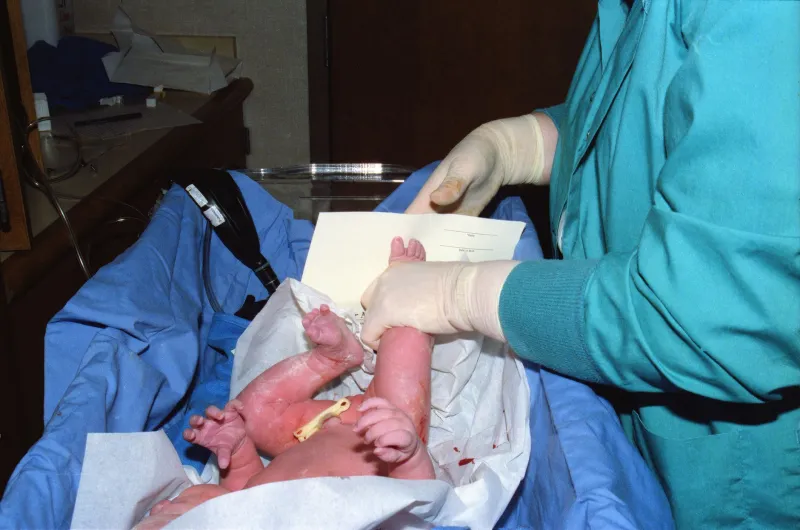
During pregnancy, the umbilical cord carries blood between you and your baby. After birth, it is clamped and cut, and the short bit left behind is essentially tissue that has finished its job. Over the next week or two it dries out, shrivels and eventually drops off, leaving the belly button behind.
It can look a bit strange on the way. Fresh cords are yellowish and slightly moist. As they dry, they go brown, then black, and get progressively more papery. Delayed cord clamping, which is common in UK maternity units, can mean the stump is a little plumper to begin with. That is normal too.
The timeline, roughly
Most stumps separate somewhere between five and fifteen days. Three weeks is still within the realms of normal, particularly if it was a chunky cord or your baby arrived early. Your midwife or health visitor will keep an eye on it at your postnatal checks, so you do not need to become an amateur cord inspector.
A faint smell is not unusual as the tissue dries. A strong, offensive smell is a different matter and worth flagging.
Clean and dry, without turning it into a project
The NHS advice for dry cord care is refreshingly simple: water and air are your friends, and most products are not. You do not need to scrub it, soak it, or dress it with anything unless a health professional has told you otherwise.
- Use plain water on a clean cloth if it gets soiled, then pat it dry gently.
- Skip baby wipes, oils, creams and powders on the stump itself.
- Do not use antiseptic or alcohol swabs unless you have been specifically advised to.
- Stick to sponge baths until it has come off. If it gets splashed, pat it dry.
- Give it a bit of air time each day, with the nappy folded down.
The aim is boring, uneventful drying. Fussing over it tends to make it damp, and damp is the opposite of what you want.
The nappy fold that saves a lot of grief
A nappy rubbing against a drying stump is a recipe for irritation, and possibly a bit of bleeding. Most newborn nappies have a handy notch cut out of the front, or you can simply fold the front panel down below the stump. Check the waistband is sitting underneath it, not across it, every time you change your baby.
It is also worth checking vests and trousers. A loose vest with the front folded down, or a babygrow that fastens to one side, keeps fabric away from the cord. If you are using a sling or a car seat, make sure the harness or waistband is not pressing on it.
Hands off, mostly
It is very tempting to wiggle a stump that is hanging by a thread. Try not to. Let it come away on its own, even if it seems to be attached by the tiniest bit of tissue. Pulling can cause bleeding and make the area sore. If it drops off into the nappy or vest, that is completely normal. You may find it, or you may not.
A tiny spot of blood when it separates is common. Keep the area clean and dry and it should settle within a day or two.
The red flags worth knowing
Most stumps heal without any drama. But there are signs that mean you should stop watching and start ringing. Trust your gut if something looks off, even if it is not on this list.
- Spreading redness around the base of the stump, or skin that feels hot and looks angry. Ring your GP or 111 the same day.
- Pus or thick yellow-green discharge coming from the stump. Same day, please.
- A foul smell that lingers after gentle cleaning.
- Bleeding that does not stop with a minute or two of gentle pressure. This needs urgent advice, so ring 111 or your maternity unit.
- A fever of 38°C or higher in a baby under three months old. This is always an urgent same-day conversation, so ring 111 or go to A&E if advised.
- A baby who is sleepier than usual, feeding poorly, or feels floppy. Urgent, same day.
- A hard, swollen lump near the stump, or a baby who cries when it is touched.
Two other things are worth a mention because they sound scarier than they are. An umbilical granuloma is a small, pink, fleshy lump that can linger after the cord falls off. Your GP can usually treat it simply. An umbilical hernia is a soft bulge around the belly button that often appears when your baby cries. It is common and usually harmless, but mention it to your health visitor so it can be checked.
Who to ring, and when
In the first ten days or so, your maternity unit or community midwife is often the quickest port of call for cord concerns. After that, your health visitor can advise, and your GP can see your baby if needed. NHS 111 is there for the in-between moments, including evenings and weekends, and they are very used to newborn worries. If your baby is very unwell, floppy, struggling to breathe or you cannot wake them, call 999.
You will not be judged for ringing. A quick call is far better than a night spent Googling pictures of infected belly buttons at 2am.
The takeaway
Boring is good here. Keep the stump dry, fold the nappy down, leave it alone, and let it do its thing. Most cords dry, drop off and become a belly button without any fuss at all. If something changes, you now know what to look for and who to ring.