Before the First Feed: A No-Pressure Look at Newborn Vitamin K
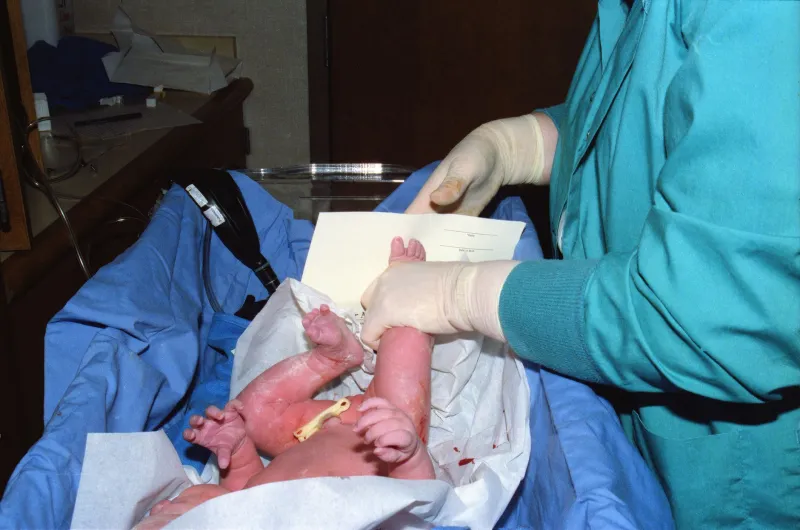
Vitamin K is one of those things that suddenly appears on your radar in the last weeks of pregnancy. You are handed a leaflet, asked to sign something, and expected to make a medical decision while also remembering where you put the car keys. So let us slow it down.
Why newborns are offered vitamin K in the first place
Vitamin K helps blood clot. Babies are born with very little of it. The placenta does not pass much across, breast milk contains only small amounts, and a newborn's gut is not yet busy making it. That leaves a small window where a baby is more vulnerable to vitamin K deficiency bleeding, or VKDB. It is sometimes called haemorrhagic disease of the newborn.
VKDB is rare. But when it happens, it can be serious, including bleeding into the brain. That is why the NHS offers vitamin K to every newborn, usually within the first few hours after birth.
Injection or drops? The honest comparison
The injection is a single dose given into your baby's thigh, usually soon after birth. It is quick, it does not need repeating, and it gives a reliable store of vitamin K. It can sting briefly and may leave a tiny bruise. Serious side effects are very rare.
Oral drops are an alternative if you would rather not have the injection. They are given by mouth, and the schedule depends on feeding. Exclusively breastfed babies usually need three doses: at birth, around one week, and around four weeks. Formula-fed babies may need fewer because formula has vitamin K added. The catch is that oral drops only work if every dose is given on time. They are also considered less reliable than the injection at preventing the late form of VKDB, which can happen up to six months.
Neither option is simple 'natural' versus 'medical'. Both are vitamin K. The difference is how it is delivered and how dependable the protection is.
What the evidence says about bleeding risk
VKDB is uncommon, but it is not a theoretical worry. Without vitamin K, late VKDB affects a small number of babies per 100,000 births, but those cases can involve serious bleeding. The injection is highly effective at reducing that risk. Oral drops reduce it too, especially when the full course is given, but the protection is less consistent, particularly for the late form. That is why many UK midwives and paediatricians gently favour the injection, while still respecting your choice.
If you are thinking of declining
You are allowed to say no. Consent matters, and your midwife should talk it through without pressure. If you decline the injection, you can ask about oral drops. If you decline all vitamin K, your baby will not receive it, and your decision will be recorded. You can still ask for the leaflet, ask what signs to watch for, and change your mind, though the timing matters because the first dose is ideally given in the first hours.
If your baby does not have vitamin K, know the red flags: unusual bruising, bleeding from the cord, blood in vomit or poo, bleeding from the nose or mouth, or a baby who is very sleepy or floppy. Those need urgent medical advice, not a wait-and-see. In the UK, that might mean calling 111, your GP, or 999 if your baby is very unwell.
A question list for your antenatal appointment
Take these to your midwife or consultant appointment. You do not need to have it all worked out before the birth.
- What are the benefits and risks of the injection for my baby?
- How effective are oral drops, and what happens if we miss a dose?
- Does feeding method change the oral schedule?
- What are the signs of VKDB, and who should I call?
- Can I decide after birth, or does it need to be before?
- If I decline, will it affect anything else in our care?
- Can I have the written information to take home?
- Who can I ask on the labour ward if I am unsure?
Making the decision without the rush
The first hours after birth are intense. You are meeting your baby, maybe recovering from surgery or an epidural, maybe running on no sleep. It is okay to ask for five minutes. It is okay to say, 'I would like to talk to the midwife about this.' It is okay to choose the injection, choose drops, or decline and ask for more time. The goal is not to make you feel guilty either way. It is to make sure you understand what is being offered.
If you are unsure, the safest starting point is a conversation, not a Google spiral at 2am. Ask your midwife what she would do for her own baby, and ask her to be honest about the limits of the evidence. Then make the call that fits your family. You are allowed to be calm, informed and still a bit uncertain. That is parenting.